Health · Riyadh Daily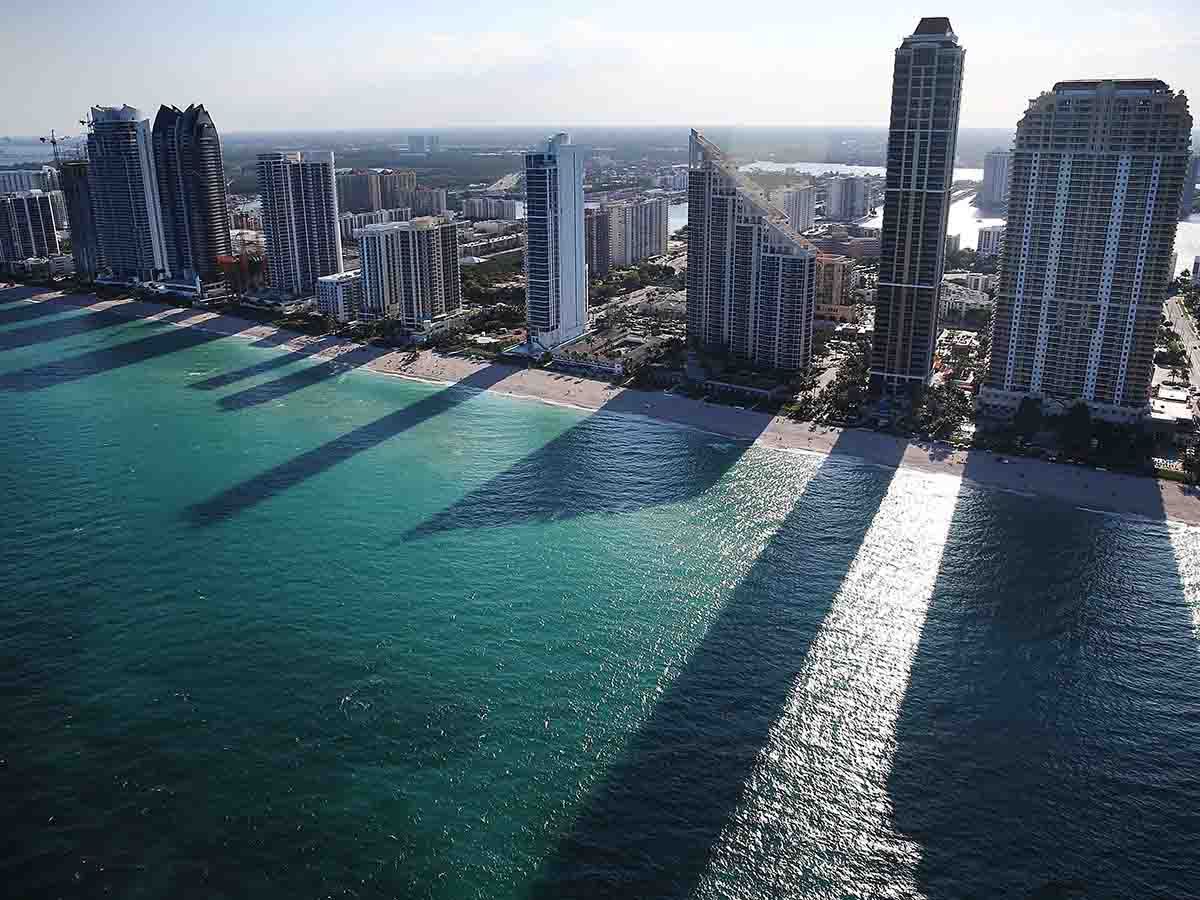
Skip to Content News Archives Economy Energy Oil & Gas Renewables Electric Vehicles Mining Commodities Agriculture Real Estate Mortgages Mortgage Rates Finance Banking Insurance Fintech Cryptocurrency Defence Work Wealth Smart Money Wealth Management Investor Personal Finance Family Finance Retirement Taxes High Net Worth FP Comment Executive Women Puzzmo Newsletters Financial Times Business Essentials More Innovation Information Technology FP500 Podcasts Small Business Lives Told Tails Told Shopping Financial Post Store Obituaries Place a Notice Advertising Advertising With Us Advertising Solutions Postmedia Ad Manager Sponsorship Requests Classifieds Place a Classifieds ad Working Profile Settings My Subscriptions My Offers Newsletters Customer Service FAQ News Economy Energy Mining Real Estate Finance Work Wealth Investor FP Comment Executive Women Puzzmo Newsletters Financial Times Business Essentials Home Real Estate 'I don't want to give Canadians a tax cut': Florida's proposed property tax exemption expected to exclude snowbirds State votes Nov. 3 on a measure that would offer some homeowners — just not seasonal ones — a big tax break Last updated 1 hour ago Condo buildings line the beach April 5, 2016 in Sunny Isle, Fla. Property taxes are only one part of an increasingly expensive calculation for Canadians who own or are considering buying a home in Florida. Photo by Joe Raedle/ / Getty Images Canadian snowbirds could be left out of a major property tax break being proposed in Florida , but the constitutional amendment set to go before voters next month could also give them some protection from rising property assessments.
Subscribe now to read the latest news in your city and across Canada. Exclusive articles from Barbara Shecter, Joe O'Connor, Gabriel Friedman, and others. Daily content from Financial Times, the world's leading global business publication.
Unlimited online access to read articles from Financial Post, National Post and 15 news sites across Canada with one account. National Post ePaper, an electronic replica of the print edition to view on any device, share and comment on. Daily puzzles, including the New York Times Crossword.
Subscribe now to read the latest news in your city and across Canada. Exclusive articles from Barbara Shecter, Joe O'Connor, Gabriel Friedman and others. Daily content from Financial Times, the world's leading global business publication.
Unlimited online access to read articles from Financial Post, National Post and 15 news sites across Canada with one account. National Post ePaper, an electronic replica of the print edition to view on any device, share and comment on. Daily puzzles, including the New York Times Crossword.
Create an account or sign in to continue with your reading experience. Access articles from across Canada with one account. Share your thoughts and join the conversation in the comments.
Enjoy additional articles per month. Get email updates from your favourite authors. Create an account or sign in to continue with your reading experience.
Access articles from across Canada with one account Share your thoughts and join the conversation in the comments Enjoy additional articles per month Get email updates from your favourite authors Sign In or Create an Account or Florida voters will decide on Nov. 3 whether to approve Amendment 3, a measure championed by Governor Ron DeSantis that would dramatically increase the property tax exemption available on homestead properties — homes that serve as an owner’s permanent Florida residence. The amendment would increase the homestead exemption for non-school property taxes — the portion levied by local governments other than school districts — to US$150,000 in 2027 and US$250,000 in 2028. Seasonal homeowners, including most Canadian snowbirds , would not qualify for the exemption.
SUBSCRIBER EXCLUSIVE: FP West: Energy Insider brings you behind the oilpatch’s closed doors with exclusive insights from insiders every Wednesday morning. By signing up you consent to receive the above newsletter from Postmedia Network Inc. A welcome email is on its way.
If you don't see it, please check your junk folder. The next issue of FP West: Energy Insider will soon be in your inbox. We encountered an issue signing you up.
Please try again DeSantis has been explicit that he wants the relief directed at Florida residents. “We need to focus on Florida residents, particularly our homestead homeowners,” DeSantis said at a realtors event in Orlando, Fla., last year while arguing for the property tax relief over a proposed sales tax cut. “I want Canadian tourists and Brazilian tourists subsidizing the state and making it so Florida residents pay less taxes.
I don’t want to give Canadians a tax cut,” he said. But the measure that ultimately made it onto the ballot is both more complicated and even beneficial for Canadian property owners than those comments might suggest. Amendment 3 would also cut the annual cap on increases in the assessed value of non-homestead properties — which includes many Canadian-owned vacation homes — to five per cent from the current 10 per cent.
“In the short run, this is actually good for non-Florida residents,” said Ken Johnson, Walker Family Chair of Real Estate at the University of Mississippi and a former real estate economist at Florida Atlantic University. Evan Rachkovsky, director of research and communications at the Canadian Snowbird Association, said the amendment is a “much more measured approach” than what was originally proposed. “This provides property owners with greater predictability and limits how quickly assessments can increase,” he said.
Jeremy DeMers, director of real estate education and cross-border transactions at North 2 South Realty International, moved from Ontario to Florida last year and now works primarily with out-of-state buyers. “It’s not just Canadians. Amendment 3 is not directed at Canadians.
It’s non-homesteaders,” he said. Johnson also noted that the non-homestead category extends well beyond foreign property owners, encompassing second homes, investment properties and other properties that do not qualify for the homestead exemption. Still, property taxes are only one part of an increasingly expensive calculation for Canadians who own or are considering buying a home in Florida.
Kathryn Smiley, an Ontario realtor with eXp Realty and a Florida broker associate with Gailey Enterprises Real Estate who works with Canadian buyer said her clients are paying much closer attention to the total cost of ownership, including property taxes, insurance, homeowners association and amenity fees, utilities, maintenance and the exchange rate. “A few years ago, buyers were mostly focused on the purchase price. Now they’re asking me, ‘What is this actually going to cost me every month?’” she said.
For Canadians who already own in Florida, Smiley said property taxes alone are unlikely to determine whether they stay or sell. “It’s more the combination of expenses,” she said. “If they’re only using the property a few months a year, they start looking at the total annual cost and asking whether it still makes sense.” The longer-term implications of Amendment 3 are less clear.
By sharply increasing the exemption available to homestead properties, the amendment would significantly reduce the property-tax revenue collected by Florida’s local governments. The Florida Revenue Estimating Conference in June estimated the measure would eventually reduce local non-school property tax revenues by about US$11.9 billion annually, with recurring impact reached by fiscal 2031-32. Johnson said that doesn’t mean Canadian homeowners should expect their tax bills to suddenly jump if the amendment passes.
“I think it could go up, but it’s not guaranteed,” he said. “It’s not coming home to roost tomorrow.” However, any strain on municipal finances is more likely to emerge over time, particularly if an economic downturn puts greater pressure on local revenues, Johnson said. He compared the situation to a condominium corporation that still has to pay its bills even if some unit owners are suddenly required to contribute less.
“Eventually, the money has to come from somewhere — or spending has to be reduced,” he said. For Florida municipalities, Johnson said that could eventually mean cuts to services or greater reliance on charges outside regular property taxes, such as special assessments or fees for services including garbage, sewer or fire protection. Smiley said Florida remains attractive to Canadian buyers despite the increasing scrutiny of ownership costs.
“They’re just doing a lot more math before they buy,” she said. Join the Conversation This website uses cookies to personalize your content (including ads), and allows us to analyze our traffic. Read more about cookies here .
By continuing to use our site, you agree to our Terms of Use and Privacy Policy .
Source: Financial Post